Site access and layout planning
We look at driveway width, overhead clearances, setbacks, and where water and power will run so the drilling location makes sense for both construction and long-term service.
Serving Boise, Idaho & surrounding areas
24/7 Emergency Response
Well drilling in Boise, Idaho
Get reliable water with a drilled well built to last. Our local crew handles planning, drilling, and startup with clean work, clear communication, and code-compliant results.
Grounded local planning
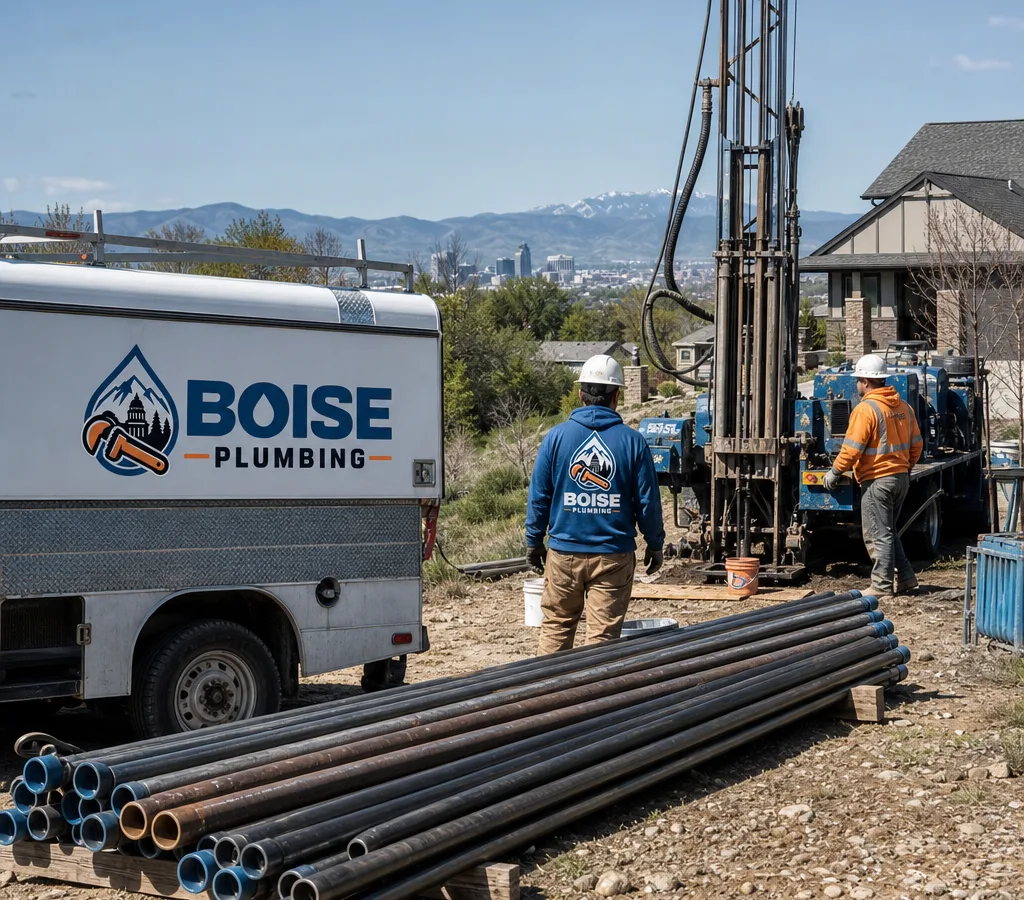
If you are searching for Boise well drilling, you usually have one priority: dependable water access that does not turn into a long, expensive headache. A drilled well is a big decision because it touches permitting, access, geology, equipment sizing, and long-term maintenance. We walk you through the practical choices and keep the job moving from site visit through final startup.
Boise and the surrounding Treasure Valley have a mix of city lots, rural properties, and foothill edges where access and subsurface conditions can change quickly. That affects everything from where a rig can safely set up to how we plan casing and sealing. We focus on the details that protect water quality and well performance over the long run: proper sanitary protection at the surface, clean drilling practices, and documentation you can keep with the property.
Boise Plumbing provides well drilling and related well installation support in Boise, ID and nearby communities. If you also need a general plumber in Boise Idaho, we can coordinate water-side work so you are not juggling multiple crews and timelines.
Planning through startup
We look at driveway width, overhead clearances, setbacks, and where water and power will run so the drilling location makes sense for both construction and long-term service.
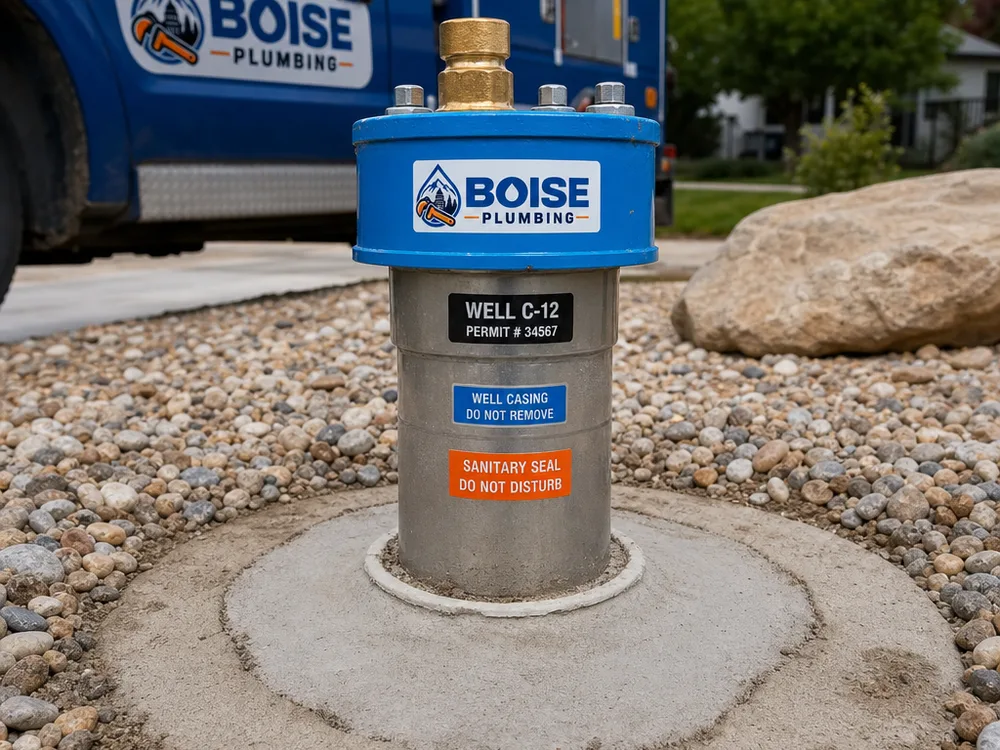
We keep the work area tidy, manage spoil responsibly, and finish with a wellhead setup that helps protect the well from surface contamination.
Casing, seals, and well completion details are selected based on the borehole, depth, and site conditions, not a one-size plan.
You get a written scope, what is included, and what might change it, so decisions are made early instead of mid-job.
After the well is drilled, we help coordinate the next steps for getting usable water at the property, including pump and pressure system planning.
Project scope
A well drilling project usually has three parts: preparation, drilling and completion, then startup.
Preparation includes confirming access for the rig, choosing a drilling location that works with setbacks and future building plans, and identifying where discharge water and cuttings can be managed during drilling.
Drilling and completion covers advancing the borehole, installing casing as needed, and completing the well so it is stable and protected. Completion details matter. A properly protected wellhead and good surface sealing help keep surface runoff, insects, and debris from becoming a water-quality issue later.
Startup is about turning a drilled hole into usable water at taps and fixtures. That typically involves pump selection, drop pipe, wiring, and a pressure tank system sized to the home or irrigation demand. We can coordinate those parts so the handoff is clean and you have one plan instead of conflicting recommendations.
If you are comparing bids, make sure each proposal describes the completion details and what is included after drilling. Two quotes can look similar until you compare casing, seals, wellhead setup, and what it takes to actually deliver water to the property.
How service works
A defined sequence keeps access, drilling, completion, and startup aligned from the first property visit through handoff.
We walk the property, look at access and layout, and talk through expected water use so the well location and general approach fit the plan.
You receive a clear scope with assumptions and allowances where needed. Once approved, we schedule drilling and coordinate any required pre-work.
We set up, drill, and manage spoils and fluids with safety and cleanliness in mind, keeping the work area organized during the job.
We complete the well with the right casing and sealing details for the conditions encountered and finish with a protected, serviceable wellhead.
We coordinate the steps needed to deliver water for the property, review what was installed, and leave you with the details you will want for future service.
Planning your project
Boise well drilling typically ranges from about $6,000 to $20,000+ for a completed residential well, with deeper wells or difficult access pushing higher. A simpler, shallower installation may land in the lower end, while projects needing more footage, additional casing, or more involved completion details can move into the upper ranges.
Final price depends on depth, diameter, drilling conditions, casing needs, site access for the rig, and what is included after drilling—including well completion, wellhead setup, and coordination for pump and pressure equipment. The exact cost is confirmed after a site visit and a written scope.
Completed in the field
“They explained what would drive cost before anything started and kept the drilling area surprisingly clean. The well was completed when they said it would be, and the startup steps were clearly laid out.”
“What I appreciated most was the communication. When conditions changed during drilling, they talked through options and the impact before moving forward.”
Common questions
Many residential drilling jobs take a few days on site, but the full timeline depends on access, depth, conditions encountered while drilling, and how quickly the post-drilling startup work is scheduled. If you are building, we plan the drilling date around excavation, concrete, and utility trenching so the well location stays accessible.
Depth and site access are two of the biggest cost drivers, followed by how much casing and sealing are needed based on conditions. Projects can also cost more when the well location is hard to reach with a rig, when completion details require extra materials, or when the scope includes more coordination to deliver water to the home after drilling.
The best location balances safe setbacks, future building plans, and practical access for drilling and long-term service. We look for a spot that stays reachable by equipment, avoids low areas where water can pond, and fits where the water and electrical runs will realistically go.
Yes. A drilled well still needs the right pump, drop pipe, wiring, and a pressure tank system sized to your demand before it becomes usable water at fixtures. We help coordinate those steps so the equipment selection and installation match the well's completion and the property's needs.
Ask what is included beyond drilling footage: casing assumptions, sealing and wellhead protection details, site cleanup expectations, and what it takes to get water into service. You should also confirm how changes are handled if conditions differ from assumptions, and whether you will receive a clear written scope for approval before added work.
Often, yes, but it depends on overhead clearance, driveway width, ground conditions, and where the rig can safely set up. A site visit is the fastest way to confirm whether standard equipment can access the location or if the plan needs to change.
Tell us about your property and water needs. We will review access and scope, then provide a clear plan for Boise well drilling with a written outline before work starts.